
By the last week of November, our kitchen table is covered in something: a heap of spruce offcuts, a tray of orange slices parked on the radiator, a jam jar of cones collected on a wet walk. Making your own Christmas decorations is one of the few festive jobs that stays genuinely enjoyable, and it costs very little if you work with what is already growing outside or sitting in the cupboard. The main decision is what to make them from. Fresh greenery, dried materials and foraged finds behave differently once they are indoors, and each will disappoint you if you ask it to do the wrong job.
First, what actually shortens a decoration's life
Most homemade decorations fail for one of three reasons: heat, damp or time. A warm room with the heating running will pull moisture out of fresh foliage within days and turn dried citrus brittle. A cold, steamy kitchen will do the opposite, leaving dried flowers limp and prone to mould. And anything made in a rush on Christmas Eve will look tired by Boxing Day.
It helps to think about the mechanics as well as the material. Floral foam cannot be composted and crumbles into microplastics, so build wreaths and arrangements on moss, twine, jute string or a reusable wire or willow base instead. Those same bases will serve you for years, which matters more for the overall footprint of a decoration than whether the greenery came from a garden or a shop.
Fresh greenery: unbeatable scent, limited patience
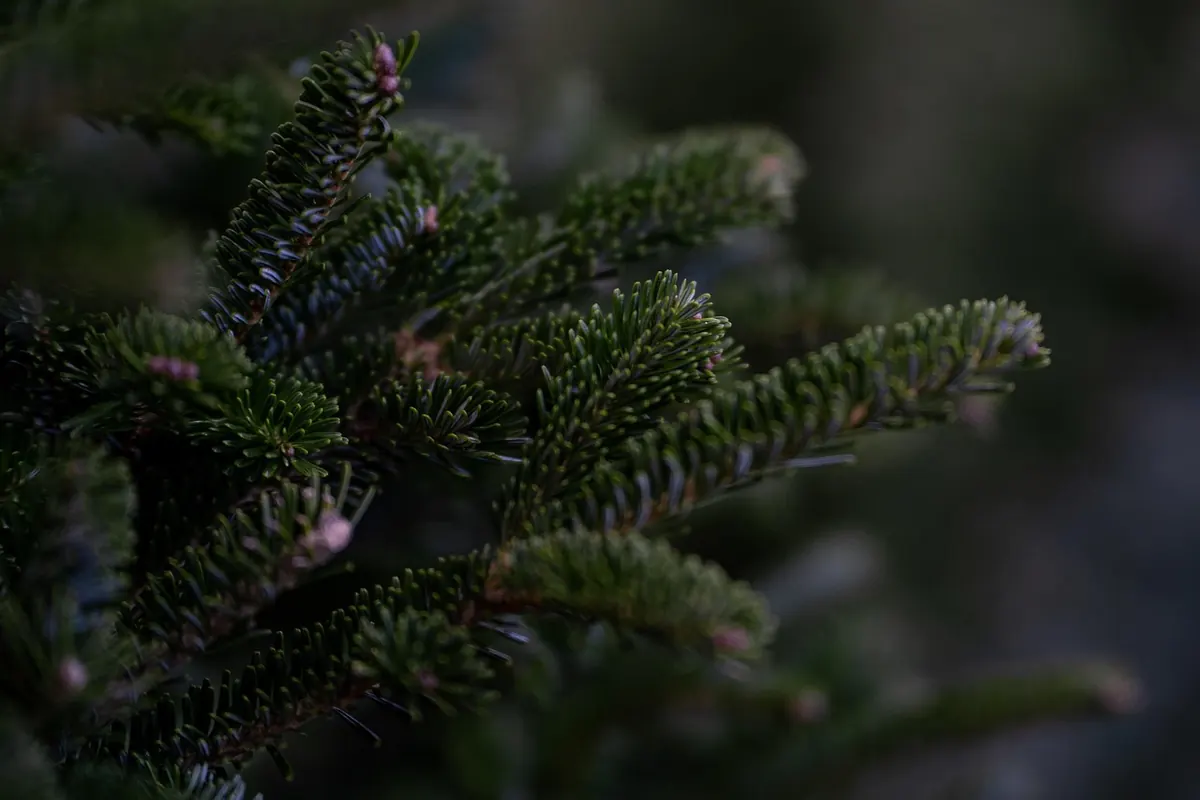
Nothing else smells like Christmas. Spruce, fir, pine, holly, ivy, eucalyptus, bay, rosemary and skimmia all work, and each has a character. Spruce holds its needles reasonably well but is prickly; fir is softer and smells sweeter; holly gives structure and a flash of red; eucalyptus dries into something that looks deliberate rather than dead.
Fresh material needs conditioning before it goes anywhere near a wreath. Cut the stems at an angle, strip the lower needles or leaves, and stand them in cool water somewhere unheated overnight. That drink is what buys you the extra week.
Making fresh last
- Keep arrangements away from radiators, log burners and sunny windowsills.
- Use a moss-filled base for wreaths and mist it every few days.
- For garlands, wire in small water tubes or refresh the greenery in stages rather than rebuilding.
- Expect two to three weeks indoors; a cool porch or unheated hallway will stretch that considerably.
Do wear gloves for holly, and keep berry-bearing stems out of reach of small children and pets. Holly, ivy, mistletoe and yew berries are all best treated as decorative rather than edible.
Dried materials: made in advance, kept for years
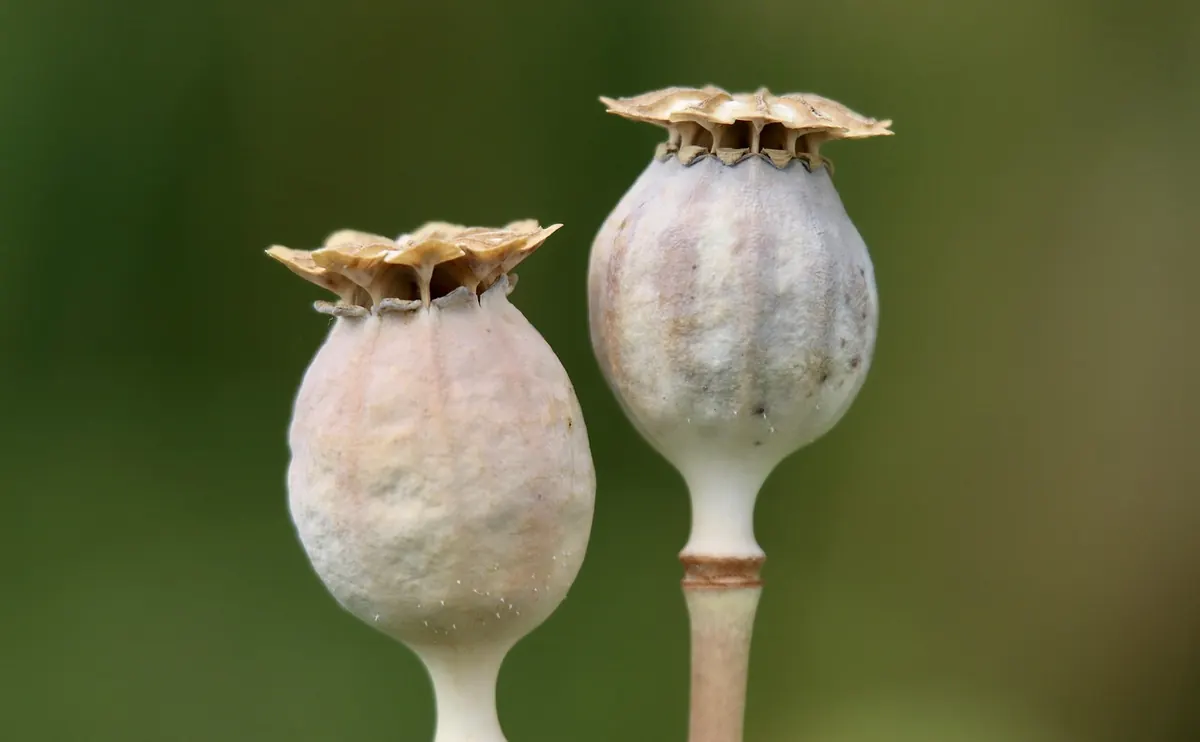
Dried decorations are the ones you can start now and still be using in three winters' time. Orange and apple slices, cinnamon sticks, star anise, dried chillies, honesty seed heads, teasels, nigella pods and hydrangea heads all take wire and thread beautifully.
For citrus, slice thinly and evenly, blot the slices, then dry them on a rack in the lowest oven your appliance offers for several hours with the door slightly ajar, turning once. Air drying works too if you have a warm, dry, dark spot and two or three weeks to spare. They are ready when they feel leathery and dry rather than sticky. Hydrangeas are easier: cut the heads when they feel papery to the touch, stand them in a shallow inch of water until it is used up, then let them dry upright.
Storing dried work
Layered in a cardboard box with tissue paper, in a cool dark cupboard, dried decorations will come out next December looking much as they went in. A few cedar blocks or a lavender bag helps keep moths away. Accept that colours fade, especially reds and deep oranges, and that thin slices snap if they are handled roughly. Keep dried arrangements away from candles and open fires, since dry plant material catches light very readily.
Foraged finds: free, seasonal, with a few firm rules
Hedgerows and parks offer cones, birch twigs, willow, dogwood stems, acorns, beech mast, old man's beard, moss and lichen-covered branches. The results will not look like a shop display, which is rather the point.
There are rules worth respecting. Take only from land where you have permission, and never from nature reserves, SSSIs or sites where plants are protected. Pick fallen material rather than pulling things off trees, never dig up a plant, and leave far more behind than you take. Berries are food for birds in lean months, so go lightly.
Check for wildlife before anything comes indoors. A bag left in a cold shed for a week, or frozen for a couple of days, will deal with most lurking insects. And if you cannot confidently identify something, particularly berries and seeds, leave it where it is.
Which material suits which job
- Front door wreath: fresh spruce or fir over a mossed base, with a few foraged cones wired in.
- Mantel garland: fresh greenery, refreshed in sections through the month.
- Tree decorations: dried citrus, cinnamon bundles, star anise and painted cones.
- Table centrepiece: fresh herbs and eucalyptus in a water-filled container, with dried seed heads tucked in.
- Gift toppers and jar fillers: dried material, which survives being wrapped.
- Hallway swag: foraged willow or birch, which looks good even when it dries out.
The mix that works best
Most people who make decorations for a few years end up combining all three. Build a durable base from foraged or dried material, add fresh greenery for scent and colour, then refresh the fresh parts as they fade. You get the smell of a real tree, the longevity of dried work, and the satisfaction of having gathered some of it yourself.
Getting started this weekend
Slice and dry a couple of oranges. Collect a bag of cones and let them sit in the shed. Cut a few evergreen stems, condition them overnight and make one small wreath with moss and twine rather than foam. That is enough for a first attempt, and it gives you a clear sense of which material you actually enjoy working with.
In January, strip the decorations down, compost everything plant-based, and store the wire, bases and dried pieces in a labelled box. Next year, you will start with half the work already done.
Photo: jatocreate / Pixabay